



What people ask
Frequently Asked Questions
INS offers global coverage with 24/7 availability
Who needs marine surveying services?
- Ship buyers and sellers
- Ship owners & and charterers
- Private yacht owners
- Cargo shippers in yachting, traders and receivers
- Insurance companies and brokers
- Legal and justice departments
- Governments and authorities
- Manufacturers
- Port terminals
- Financial institutions
- Others
What is included in a pre-purchase survey?
A pre‑purchase survey involves a thorough inspection of a vessel before purchase, covering the following parts:
- The hull and structure, including moisture or thickness measurements and osmosis investigation
- Deck and superstructure
- Mast, rigging and sails (if applicable)
- Engines and propulsion and steering machinery
- Auxiliaries
- Interior and furnishings
- Sanitary, gas and electrical systems
- Nautical instruments
- Inventory and safety equipment
- Valuation
- Repair advice if required
The survey identifies defects, evaluates the overall condition, and may include a valuation. Upon completion, you receive a detailed report to support confident negotiations or to make an informed decision to withdraw if serious issues are discovered.
How and why moisture measurements and osmose and delamination examinations are made?
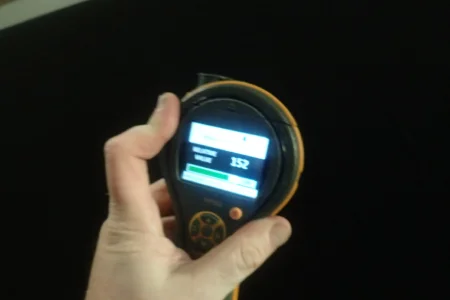
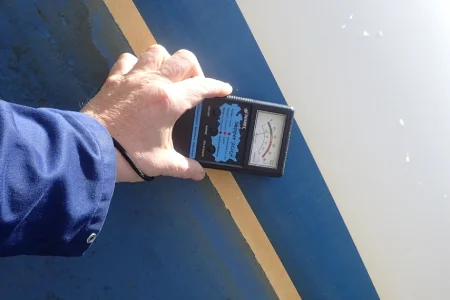
Many modern yachts are constructed from fibreglass GRP (Glass Reinforced Plastic). During construction, impurities, small air gaps, and residual unhardened chemicals may remain within the laminate. These imperfections can remain undetected for many years or react suddenly. When water enters the laminate, a chemical reaction occurs and the water molecules become trapped. The accumulation of this trapped fluid forms pressure and creates blisters in the outer layer, the gelcoat.
As the processes of osmosis and hydrolysis continue, this can progress to delamination, posing a serious threat to the structural integrity of the vessel or yacht. An increased moisture level is not, by definition, an immediate danger, but years of experience show that higher moisture levels significantly increase the risk of osmosis and delamination.
Simply using a moisture meter is not sufficient to assess osmosis correctly. Experience is required to determine whether the issue is serious or merely localised. A full osmosis treatment can, for some yachts, exceed the vessel’s market value.
Are valuations just digits? And what to ask for a valuation?
A good appraiser/valuer shall make a thorough investigation of the ship, yacht, or object that needs to be valued. The original purchase price, as well as the maintenance and repairs carried out, are evaluated.
This is the technical value.
A second important aspect is the value assigned under specific circumstances and for different purposes. If an object is very common, its selling value will usually be close to that of similar objects. If an object is very rare and special, it may attract many buyers or, conversely, very few. For commercially used ships and objects, the potential earnings generated by the vessel or object are an important factor in determining value.
This is the value adjusted for purpose and earning potential.
In addition to technical and purpose‑related value, the location of the object and the market in which it can be sold influence the effective price a seller can realise. Demand, reputation, and other factors are geographically influenced. A value determined by a valuer will therefore often be linked to a specific sales area.
This value takes into account the opportunities related to a specific region.
Last, but not least, an important factor is the time frame within which the sale is intended to take place.
A quick sale under pressure or a sale by auction will result in a different outcome. Based on experience, a valuer can estimate the effect of time pressure on value. The efforts made to market and sell the object also influence the final outcome.
This is the time‑pressure factor affecting value.
Why are ultrasonic measurements and investigation made?
Ultrasonic waves have frequencies that are too high to be detected by the human ear. These waves are transmitted and received by instruments and provide valuable information.
There are three major applications of ultrasonic testing:
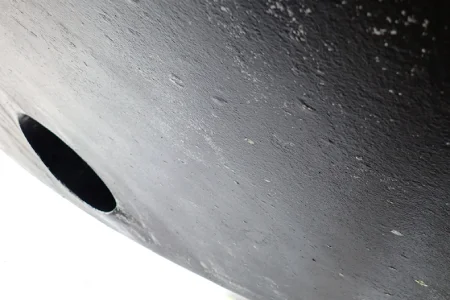
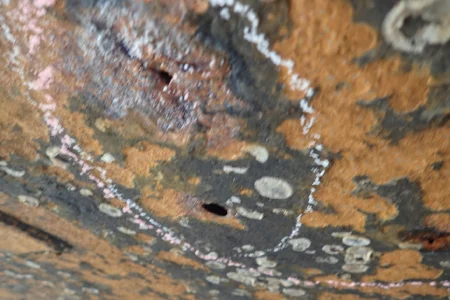
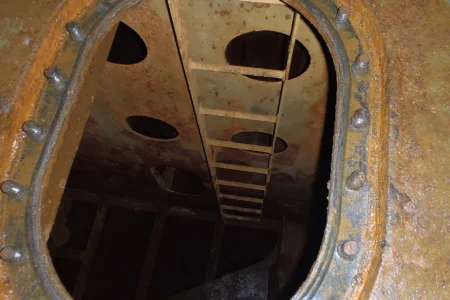
- Using an instrument and probe, we can measure the thickness of materials. This is commonly used on steel and, to a lesser extent, aluminium vessels and yachts to detect defects and corrosion. Thickness measurements are carried out on hull plates, frames, watertight bulkheads, decks, ballast tanks and other tanks.
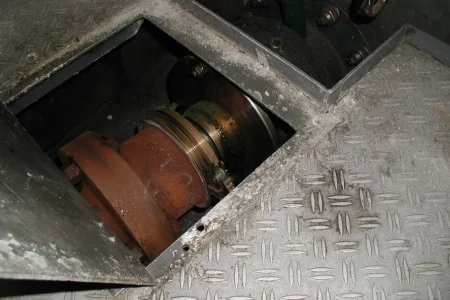
- Every movement of a shaft, machine or bearing creates noise. Sometimes this noise is audible, but often it occurs in the ultrasonic range and remains undetected without specialised equipment. Ultrasonic sound analysis is one of the methods used to detect defects at an early stage and to support general maintenance monitoring.
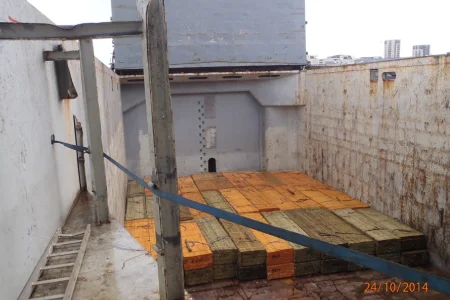
Ultrasonics can also be used for leak detection. This may involve a cargo hold, window, hatch or tank. A transmitter is placed inside the space and sensitive equipment is used to detect whether ultrasonic waves escape. This method allows the detection of very small leaks that would otherwise remain undetected.
How do I choose the right surveyor?
Must I use the surveyor appointed by my insurer?
Why engage a marine surveyor?
A qualified surveyor provides independent, neutral advice that carries credibility in transactions and disputes. Key benefits include:
Evidence and documentation: A surveyor can confirm that procedures were correctly followed or that no issues exist, providing authoritative records.
High-value transactions: Yachts, cargo, and equipment often represent substantial investments. Banks, insurers, and other stakeholders may require independent survey reports.
Due diligence: Appointing a surveyor is standard practice for organisations to ensure proper due diligence and risk management.
How does a professional marine surveyor protect me?
Surveyors strengthen your position in disputes and provide legal protection:
Preventive measures: Witnessing operations, recording quantities, or assessing condition creates reliable evidence that is stronger than internal documentation alone.
Proactive support: In the event of a claim, immediate surveyor involvement preserves evidence, protects your interests, and informs your legal team on the best course of action.
How does a professional marine - yacht surveyor protect me?
Surveyors strengthen your position in disputes and provide legal protection:
Preventive measures: Witnessing operations, recording quantities, or assessing condition creates reliable evidence that is stronger than internal documentation alone.
Proactive support: In the event of a claim, immediate surveyor involvement preserves evidence, protects your interests, and informs your legal team on the best course of action.
Can a marine surveyor assist with legal matters?
Surveyors are not lawyers, but many have legal knowledge and can act as court-appointed experts or mediators. They may provide technical guidance during legal proceedings or act independently on behalf of courts or arbitration panels.
What are the risks of not hiring a professional surveyor?
Failing to appoint a surveyor at critical moments may save money in the short term but can lead to substantial financial loss, legal complications, and reputational damage.
Examples of high‑risk scenarios include:
- A condition prior to a transfer of risk or ownership, or another critical event, can only be properly established at a specific time and place. Not being present can result in a weak position in the event of an accident or claim.
- Companies are often under significant pressure and, whether we like it or not, failures and accidents do occur. A surveyor’s role is to be present for your yacht or asset and to take preventive action, including requesting a stop to operations until the risk has been assessed and addressed. Better safe than sorry.
- Engage a surveyor who is specialised in the relevant field. An INS surveyor has experience aligned with your specific survey requirements.
- A professional survey does involve a cost. However, the true value of a professional is often only recognised after the consequences of engaging an unqualified or non‑professional party.
What due diligence should I carry out when appointing a surveyor?
Client responsibilities: Clearly define the survey scope and provide relevant information at the time of instruction.
Surveyor responsibilities:
Confirmation and transparency: Confirm the instruction formally and explain fees and any additional costs.
Communication: Ask questions to ensure understanding of scope and expectations.
Conflict of interest: Decline appointments where impartiality could be compromised, such as prior involvement with another party.